
Quick Answer: To become a contractor, you’ll generally need to:
1. Choose the type of contractor you want to be (General, Specialty, or Mechanical)
2. Meet educational requirements (High school diploma or higher)
3. Gain relevant experience (Minimum 3 years in many states)
4. Pass a licensing exam (Varies by state and specialty)
5. Obtain necessary insurance and bonds
So, you want to navigate the path of becoming a contractor? This role isn’t just about hammering nails or pouring concrete; it’s about leading projects, managing teams, and turning drawings into real, tangible structures. Whether you’re considering becoming a general contractor overseeing diverse construction projects, a specialty contractor focusing on specific trades, or a mechanical contractor dealing with specific licensed work, each path has its own steps to follow, challenges to overcome, and rewards to reap.
Becoming a contractor involves more than just having the skills to perform construction work. It requires a formal process that includes obtaining the right education, gaining experience, securing licenses, and understanding the importance of being bonded and insured. This journey may seem complex, but we’re here to break it down into simple, actionable steps.
Education and experience lay the groundwork, providing you with the knowledge and on-the-job learning crucial for your success. The linchpin, however, is obtaining a contractor’s license—a process that varies significantly across states but typically involves an exam and proving your experience.

This guide will open the door to the essential requirements of becoming a contractor, tailored for those who value an uncomplicated approach. Let’s begin your journey into construction.
Understanding Contractor Licensing
When you’re diving into how to become a contractor, understanding the landscape of contractor licensing is like mapping out the terrain before a hike. It’s essential. Here’s what you need to know:
State Requirements
Every state has its own set of rules. Like snowflakes, no two states’ requirements are exactly the same. For instance, in California, if the cost of your project is $500 or more, you need a license from the California Contractors State License Board (CSLB). But in states like Vermont, New Hampshire, and Maine, you might not need a general contractor license at all.
The key takeaway? Check with your state’s licensing board. They’re the go-to source for what you need to be legal. This might include specific exams, background checks, and proof of insurance or bonding.
Federal Guidelines
While the federal government doesn’t issue contractor licenses, they do have guidelines that affect contractors. For example, if you’re working on a project for a federal agency, you might hear the term “prime contractor.” This means you’re the main contractor hired by the government, and you might be working with or hiring subcontractors.
Also, regardless of state, if you’re hiring employees, you need to comply with federal labor laws. This includes things like paying taxes and following Occupational Safety and Health Administration (OSHA) safety standards.
A Closer Look at Bonds and Insurance
One federal aspect that often intersects with state requirements is the need for contractor license bonds. These bonds are a promise that you’ll follow the rules. If you don’t, someone can make a claim on your bond. Not only is this a state requirement in many places, but it’s also a way to build trust with your clients.
The cost of these bonds can vary based on your credit score, the type of work you do, and other factors. But don’t let the cost scare you. Think of it as investing in your business’s credibility.
The Bottom Line
Becoming a contractor isn’t just about the skills you bring to the construction site. It’s also about navigating the legal landscape. Start with your state’s requirements, but don’t forget to consider how federal guidelines and needs like insurance and bonding play into your business plan.
The goal is to build strong foundations, not just in your projects, but in your business’s legal standing too. With a clear understanding of contractor licensing, you’re on your way to laying the groundwork for a successful career in construction.
In the next section, we’ll dive into the essential steps to becoming a contractor, including legal work eligibility and the all-important licensing exam. Stay tuned to turn your construction dreams into reality.
Essential Steps to Becoming a Contractor
Embarking on a journey to become a contractor is both exciting and demanding. Let’s break down the critical steps you’ll need to take, from choosing your specialty to gaining the necessary experience.
Choosing Your Specialty
First off, deciding on your specialty is a pivotal step. You can aim to be a:
- General Contractor: Overseeing entire construction projects.
- Independent Contractor: Taking on specific tasks within projects.
- Specialized Contractor: Focusing on niche areas such as plumbing, electrical, or roofing work.
Your choice will influence the type of experience and licensing you’ll need, so think about what suits your skills and interests best.
Gaining Relevant Experience
Now, onto building your experience. Here’s how:
-
Legal Work Eligibility: Ensure you’re legally allowed to work in your state or country, as this will be a prerequisite for most jobs and licensing applications.
-
High School Diploma: While not always mandatory, having a high school diploma or GED is often a basic requirement. It shows you have fundamental math and reading skills.
-
Clean Work Record: A history of reliable and quality work can help you stand out. It’s not just about avoiding legal troubles; it’s about proving your commitment and professionalism.
-
Construction Experience: Practical experience in construction is invaluable. Whether it’s through direct employment, apprenticeships, or on-the-job training, hands-on work will teach you more than any classroom.
-
Licensing Exam: Almost every specialty will require you to pass a licensing exam. These exams test your knowledge of construction practices, safety regulations, and sometimes, business law.
-
Apprenticeships and On-the-Job Training: These are golden opportunities to learn the ropes from seasoned professionals. You’ll earn as you learn, gradually taking on more responsibility.
-
Construction Management Education: For those aiming for higher-level positions or considering running their own business, education in construction management can be a game-changer. It covers project planning, budgeting, and leadership skills.

The path to becoming a contractor is not one-size-fits-all. Some may find their way into the field through years of hands-on work, while others might take a more academic route with formal education. The key is to build a solid foundation of skills and knowledge, tailored to the specialty you choose.
We’ll delve into the nitty-gritty of licensing and registration requirements, ensuring you’re fully prepared to navigate the legal landscape of the construction industry. Stay tuned for insights on how to secure your contractor license and kickstart your career.
Licensing and Registration Requirements
Navigating the licensing and registration requirements is a crucial step in learning how to become a contractor. Each state in the U.S. has its own set of rules and regulations, making it essential for aspiring contractors to understand the specific requirements of the state they plan to operate in. Let’s break down what you need to know about getting licensed in Pennsylvania (PA), with a focus on Philadelphia, and the importance of OSHA training.
PA Home Improvement Contractor Registration
In Pennsylvania, if you’re aiming to work on home improvement projects, you must register as a Home Improvement Contractor. This process is relatively straightforward but crucial for legality and trustworthiness.
- Registration Fee: There’s a fee involved in the registration process. While this fee can change, it’s part of the cost of doing business.
- Renewal Process: Your registration isn’t a one-and-done deal. You’ll need to renew it periodically to ensure you remain in compliance with state laws.
Philadelphia Contractor License
If you’re planning to operate in Philadelphia, the requirements get a bit more specific, and you’ll need a Philadelphia Contractor License in addition to your PA registration for certain types of work.
- License Cost: The cost of obtaining a contractor license in Philadelphia varies depending on the type of license you’re applying for. However, investing in your license is investing in your business’s legality and credibility.
- Renewal Fees and Late Renewal: Just like with the state registration, your Philadelphia license will need to be renewed. Keep an eye on those renewal fees and try to avoid late renewals, as they come with additional costs.
OSHA Training
Safety training is non-negotiable in the construction industry. OSHA (Occupational Safety and Health Administration) training ensures that you and your employees are aware of workplace hazards and know how to handle them safely.
- Basic Course: For workers, the OSHA 10-hour Construction Safety course is a baseline requirement. It covers various safety and health hazards a worker may encounter.
- Supervisor Training: If you’re in a supervisory role, you’ll need the OSHA 30-hour Construction Safety and Health course. This more in-depth training is crucial for those responsible for maintaining a safe worksite.
- Excavation Contractors: Specialized training, such as the OSHA 3015 course on Excavation, Trenching, and Soil Mechanics, is required for contractors who work in excavation.
Understanding and adhering to these requirements is not just about ticking boxes for legal compliance. It’s about ensuring the safety and well-being of your team and clients, and it’s a fundamental aspect of building a reputable and successful contracting business.
As you navigate the process of becoming a licensed contractor, these steps are in place to protect you, your business, and your clients. Up next, we’ll explore the various revenue streams for contractors, helping you understand how to maximize your earning potential in this competitive industry.
Revenue Streams for Contractors
Diversifying Your Income
Understanding the different ways to make money as a contractor is like having a toolbox. Each tool serves a different purpose, and knowing when and how to use them can make all the difference. Let’s break down the key revenue streams for contractors.
-
Project Contracts: This is your bread and butter. Securing contracts for new builds, renovations, or repairs is the primary way contractors make money. It’s all about delivering quality work on time and within budget.
-
Bidding: The art of bidding is crucial for landing project contracts. It involves estimating the cost of a project and proposing a competitive price to potential clients. Winning bids means more work and, subsequently, more revenue.
-
Change Orders: During a project, clients may request changes that weren’t part of the original plan. These changes can increase the project’s scope and, therefore, the cost. Managing change orders effectively can boost your income while keeping clients happy.
-
Subcontracting: Sometimes, projects require skills that you or your team might not possess. In such cases, hiring subcontractors to complete specific tasks can keep the project moving. While you’ll pay for their services, you can also mark up their cost to maintain profitability.
-
Value Engineering: This involves finding more cost-effective ways to complete a project without compromising quality. By reducing costs, you can increase your margin and offer competitive pricing.
-
Maintenance: Offering ongoing maintenance services can provide a steady income stream. Many clients prefer to deal with one trusted contractor for their maintenance needs, from routine checks to emergency repairs.
-
Real Estate Development: Some contractors take the leap into developing properties. This can be highly lucrative but also requires significant investment and risk tolerance.
-
Consulting: With experience, you can offer consulting services to clients or other contractors. This might include project management, cost estimation, or compliance advice.
-
Design Services: If you have a knack for design, offering design services can differentiate your business. This can be particularly appealing for clients looking for a one-stop-shop for their construction needs.
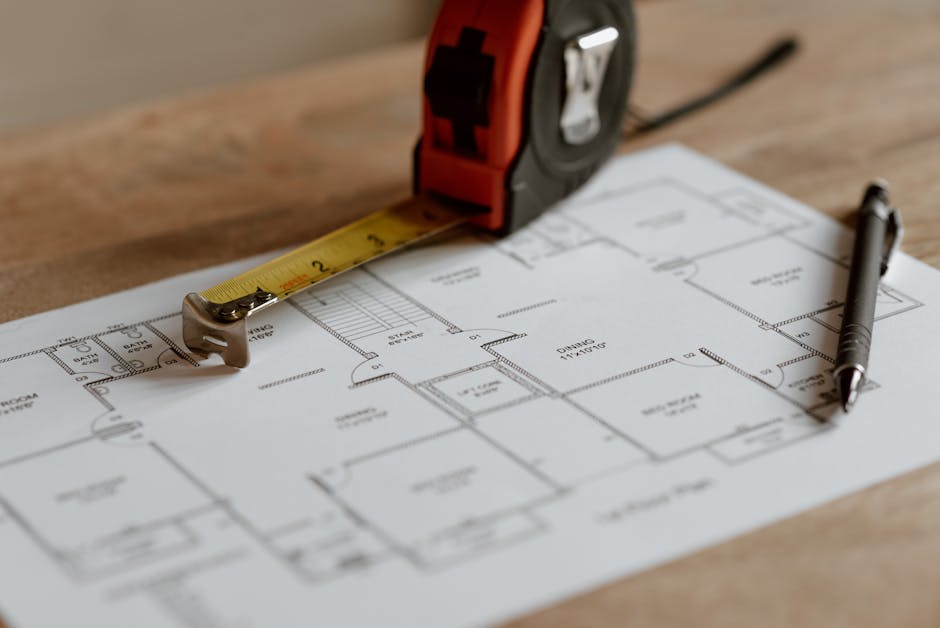
Diversifying your income as a contractor means not putting all your eggs in one basket. It’s about leveraging your skills and resources to tap into multiple revenue streams. This approach not only increases your earning potential but also provides a safety net during slow periods.
In the next section, we’ll delve into the critical aspects of safety and compliance, ensuring that your projects not only generate revenue but also adhere to industry standards and regulations.
Safety and Compliance
OSHA Training Requirements
When thinking about how to become a contractor, it’s not just about the skills or the business side of things. A huge part of your role involves ensuring the safety of your worksite and everyone on it. That’s where OSHA training comes into play.
OSHA 10 and OSHA 30 are the foundational courses designed to keep you and your team safe. Here’s a breakdown of what you need to know:
-
Basic Course (OSHA 10): Every worker stepping onto a construction or demolition site needs this 10-hour course under their belt. It covers the essentials of construction safety, from fall prevention to personal protective equipment. If you’re a trades contractor or a registered PA home improvement contractor, this includes you. However, folks like delivery personnel or design professionals are exempt.
-
Supervisor Training (OSHA 30): If you’re overseeing a project, the OSHA 30 Construction Safety and Health course is a must. This 30-hour training dives deeper into safety management and hazard identification. It’s a requirement for Contractors, Excavation Contractors, and Demolition Contractors to have at least one supervisor with this certification. Plumbing, electrical, and fire suppression contractors, you’re off the hook for this one.
-
Excavation Contractors: Digging deeper (pun intended), those specializing in excavation need the OSHA 3015 course on top of OSHA 30. This focuses on the nitty-gritty of excavation safety, trenching, and soil mechanics.
-
Site Safety Managers: For the big projects—think buildings over three stories or those with a large footprint—you’ll need a site safety manager armed with OSHA 30 certification to oversee everything.
Alternative Training Programs
Sometimes, the standard OSHA courses might not fit your schedule or specific needs. That’s okay because there are approved alternative training programs. These alternatives must meet or exceed OSHA’s standards and be approved by the PA Department of Labor and Industry. They’re designed to ensure you’re not sacrificing quality for convenience.
Insurance Certificates
Another non-negotiable in the contractor’s world is insurance. Before you can even think about starting a project, you need to have your insurance ducks in a row. This includes workers’ compensation, comprehensive general liability, and motor vehicle liability. It’s not just a formality; it’s your safety net against the myriad of things that can go wrong on a construction site.
Disclosing Subcontractors
Transparency is key in construction. If you’re working with subcontractors, you have three days from when they start to disclose their names to the Department of Licenses and Inspections (L&I). It’s a simple step that ensures accountability and compliance across the board.
Ensuring safety and compliance is a big responsibility but think of it as the backbone of your operation. It’s not just about ticking boxes for regulations; it’s about creating a safe, efficient, and respectful working environment. Remember that these standards are not just for your benefit but for everyone involved in bringing your projects to life.
Opportunities for Minority, Woman, or Disabled Owner Contractors
For minority, woman, or disabled owner contractors, there’s a pathway paved with opportunities, especially when it comes to working with the Philadelphia Housing Development Corporation (PHDC). Let’s break down the essentials: the certification process, the benefits at PHDC, and the MBE/WBE/DSBE subcontracting requirements.
Certification Process
To tap into these opportunities, the first step is getting certified. While the Office of Economic Opportunity (OEO) doesn’t directly certify businesses anymore, they recognize certifications from a list of agencies. You can find this list on the OEO’s website. Once you’re certified with one of these agencies, you’ll need to send your certification to the OEO to be included in their MBE/WBE/DSBE registry.
Benefits at PHDC
Being on the OEO’s registry opens doors to a host of benefits when working with PHDC. The corporation has specific subcontracting, purchasing, and hiring requirements that prioritize minority, woman, and disabled owned businesses. This not only creates a demand for such businesses but also ensures that they are given fair opportunities to participate in PHDC’s home preservation programs.
MBE/WBE/DSBE Subcontracting Requirements
PHDC’s subcontracting requirements are designed to ensure that a diverse range of businesses are involved in their projects. Prime contractors are encouraged to engage with businesses that are certified and listed on the OEO’s registry. This inclusivity fosters a diverse working environment and allows PHDC projects to benefit from a wide range of perspectives and skills.
In summary, the journey for minority, woman, or disabled owner contractors looking to work with PHDC involves getting certified, registering with the OEO, and leveraging the benefits and opportunities that come with being part of a diverse pool of contractors. These steps not only pave the way for business growth but also contribute to creating a more inclusive and equitable construction industry.
As we transition from understanding the certification process and the associated benefits, it’s crucial to keep in mind the broader picture. Being certified and listed on the OEO’s registry not only opens up opportunities within PHDC but also positions your business as a leader in fostering diversity and inclusion in the construction industry. Let’s carry this momentum forward as we explore frequently asked questions about becoming a contractor, addressing common queries and providing more insights into making your mark in the construction world.
Frequently Asked Questions about Becoming a Contractor
Venturing into contracting comes with its set of questions. Below, we’ve tackled some of the most common inquiries to help demystify the process of how to become a contractor.
How much does it cost to get a contractor license in PA?
The cost of obtaining a contractor license in Pennsylvania can vary. Generally, you should expect to pay a fee for the application, which might range from $50 to $200. However, this doesn’t include the cost of any required exams or the price of obtaining necessary insurance and bonds. It’s crucial to check with the Pennsylvania Department of State or your local licensing board for the most accurate and up-to-date information.
How long does it take to get a contractor’s license in California?
The timeline to secure a contractor’s license in California hinges on several factors, such as the completeness of your application, passing the required exams, and fulfilling the experience requirements. On average, the process can take anywhere from three to six months. It’s essential to start by submitting a thorough application to the Contractors State License Board (CSLB) and preparing well for your exams to avoid any delays.
How can I increase my profitability as a contractor?
Increasing your profitability as a contractor involves several strategies:
- Diversify Your Services: Don’t put all your eggs in one basket. Offering various services or specializing in niche markets can attract a broader range of clients.
- Efficiency is Key: Streamline your operations. Use technology for project management, scheduling, and budgeting to save time and reduce costs.
- Build Strong Relationships: Repeat business and referrals from satisfied customers can be a goldmine. Always aim for excellence in your work and maintain good communication.
- Know Your Numbers: Keep a close eye on your expenses and project costs. Understanding where your money is going can help you make informed decisions about pricing and cost-saving measures.
- Invest in Marketing: A strong online presence and targeted marketing efforts can help attract new clients. Consider investing in a professional website, social media, and local advertising.
Embarking on a career as a contractor offers a world of opportunities but comes with its share of challenges and questions. By understanding the costs and requirements involved in licensing, and by implementing strategies to enhance profitability, you can set a solid foundation for success in the construction industry. As you move forward, continuous learning and adaptation are key to staying ahead in this dynamic field.
Conclusion
Congratulations! You’ve just taken a deep dive into how to become a contractor. From understanding the intricate licensing requirements across different states to exploring the vast opportunities for revenue and growth in the construction industry, it’s clear that becoming a contractor is both an ambitious and rewarding endeavor.
We’ve covered the essentials, from choosing your specialty, gaining relevant experience, to navigating the licensing and registration maze. We’ve also touched upon the importance of safety, compliance, and the unique opportunities available for minority, woman, or disabled owner contractors.
The journey to becoming a successful contractor is paved with both challenges and opportunities. It requires a commitment to continuous learning, adaptation, and an unwavering dedication to your craft. The construction industry is dynamic, and staying ahead means being proactive in acquiring new skills, understanding the latest regulations, and leveraging your network.
For those looking to solidify their status in the industry, securing a contractor license bond is a critical step. It not only meets state requirements but also builds trust with your clients. To learn more about how you can secure your contractor license bond smoothly, visit Surety Bonds Co.
In closing, we want you to remember that becoming a contractor is more than just a career choice—it’s a commitment to building the future, one project at a time. Whether you’re renovating homes, constructing commercial spaces, or contributing to the infrastructure of your community, your work has a lasting impact.
So, gear up, stay informed, and embark on your journey with confidence. The path to becoming a contractor might be complex, but the rewards of creating, building, and transforming spaces are immeasurable. Here’s to your success in the construction industry!

If you have more questions or need guidance on your journey, don’t hesitate to reach out to professionals and mentors in the field. The construction community is vast and often supportive, ready to welcome ambitious individuals looking to make their mark.
Every great builder started somewhere. Your journey is just beginning, and the possibilities are endless.